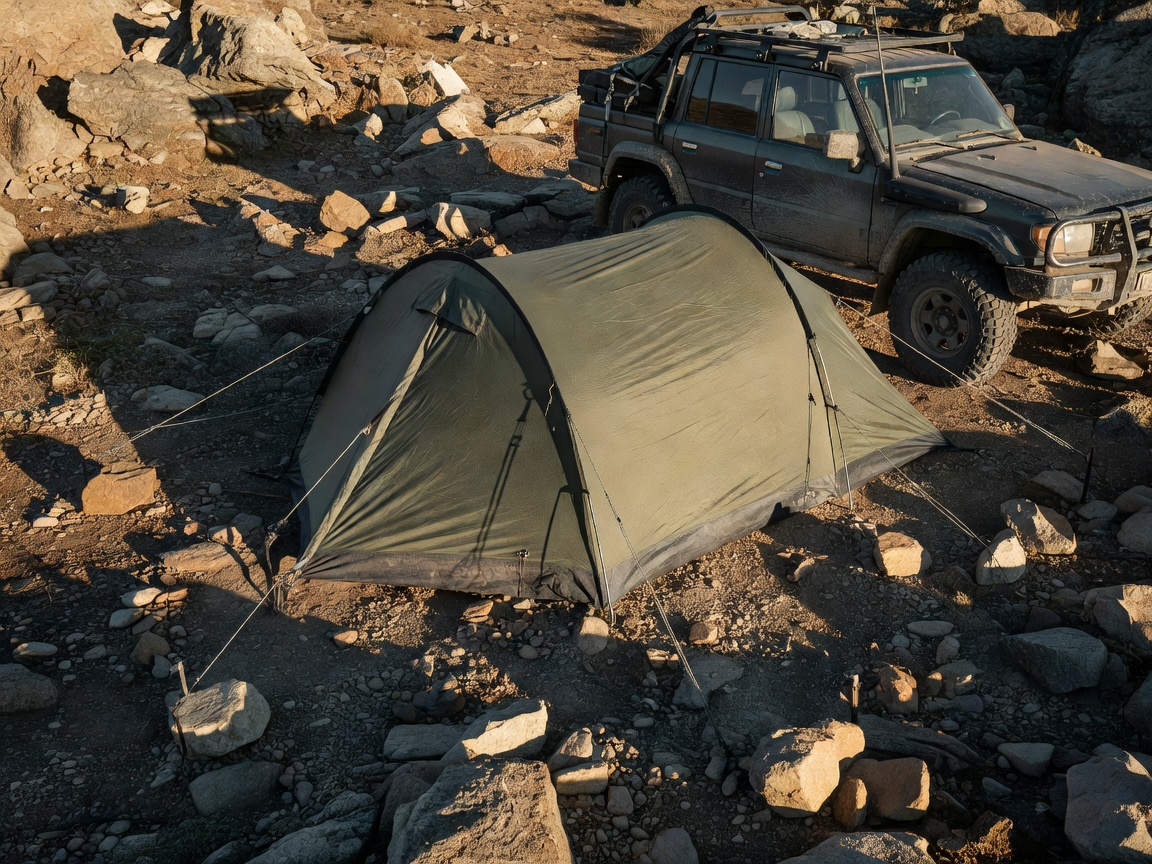
Ground tents
Lightest on the vehicle and easy to leave at camp while you drive. Bring rock pegs and a groundsheet.
You will set up camp hundreds of times on a long trip, often late, cold or wet. The right system is the one with the fewest steps, the fewest fragile parts and a weight your roof and rack can actually carry.
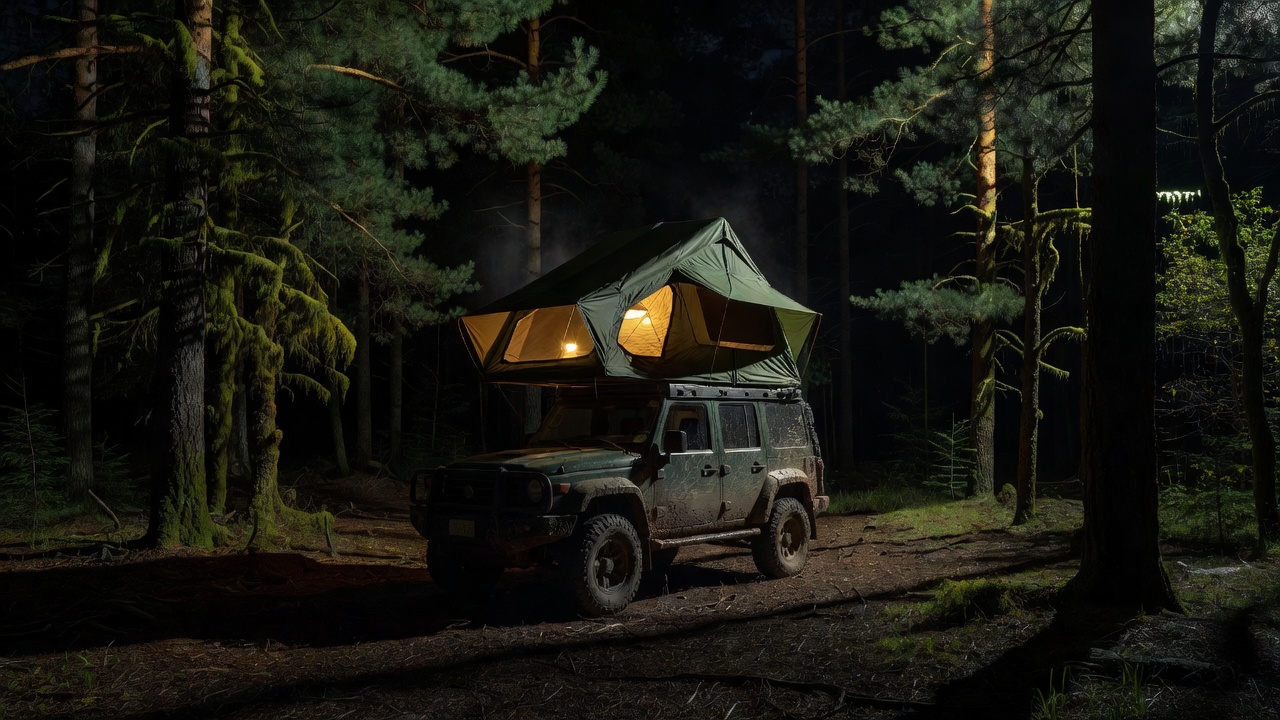
Every vehicle handbook lists a dynamic roof load: the maximum weight allowed on the roof while driving. On many SUVs it is well under 100 kg, and it must cover the rack, the tent and anything strapped beside it. The static load when parked is higher because the weight is spread through the body, which is why two people can sleep in a tent that the roof could not carry at speed.
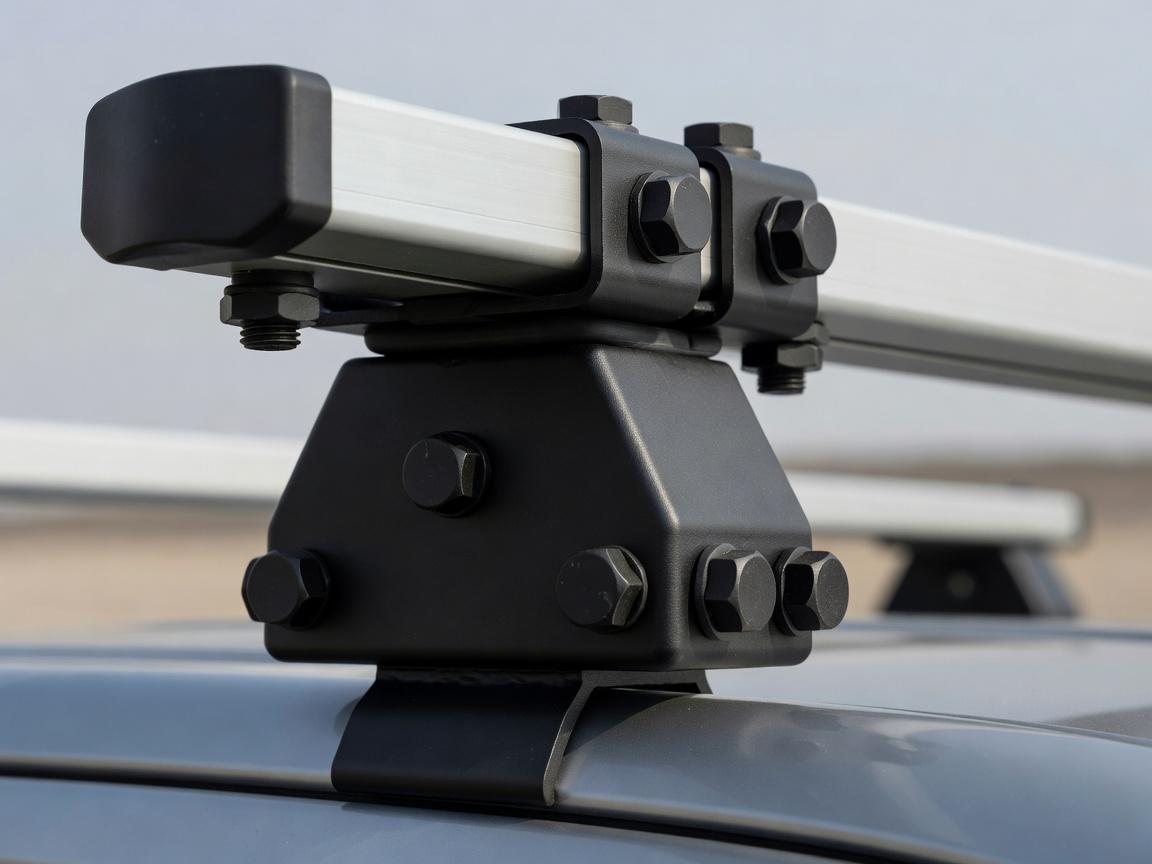
Check the rack's own rating as well as the vehicle's, and use the lower figure. Platform racks should be mounted to the manufacturer's fixing points or gutters, not improvised clamps.

No system is best everywhere. Match it to the climate, the number of sleepers and how often you move camp.
| System | Setup | Weight placement | Main limits |
|---|---|---|---|
| Hard-shell rooftop tent | Fast, few steps | High, on roof | Roof load, wind noise, fuel use, ladder access |
| Soft-shell rooftop tent | Moderate; cover and poles | High, on roof | Wet canvas packing, condensation, roof load |
| Ground tent | Slower; pegs and guys | Low, inside vehicle | Rocky or flooded ground, wildlife, setup time |
| Interior bed | Fastest; stays made | Low and central | Interior space, ventilation, cargo access |
Lightest on the vehicle and easy to leave at camp while you drive. Bring rock pegs and a groundsheet.
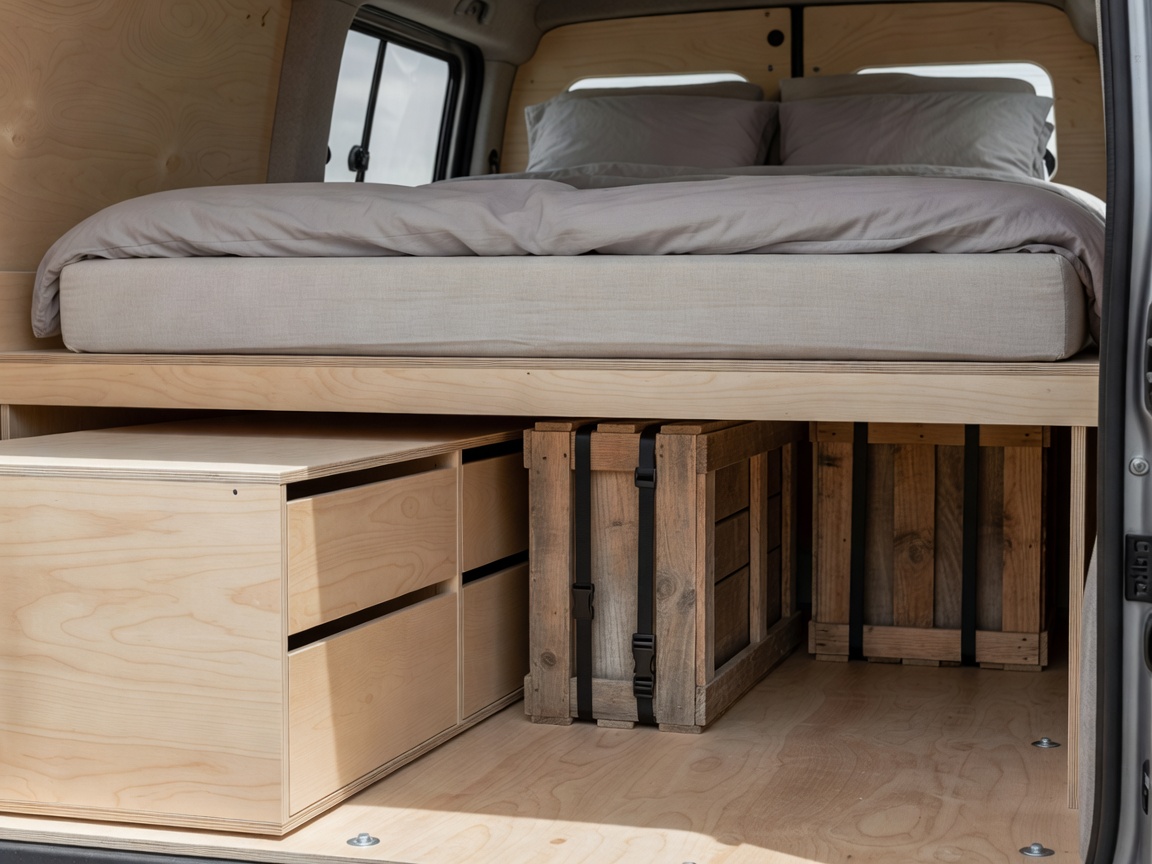
Stealthy and weatherproof. Plan storage underneath so cargo remains reachable with the bed made.
Useful shade, but they act like sails. Peg them down and stow them before the wind rises.
Diesel air heaters are common in overland builds and work well when installed correctly, with the exhaust and combustion intake outside the living space and fuel lines protected. Fit a certified carbon monoxide alarm wherever people sleep, including in rooftop tents if any heater or stove is nearby. Never run a portable combustion heater or cook inside a closed tent.
Condensation is the slow enemy. An anti-condensation mat under the mattress, breathable bedding and a cracked vent reduce mould in canvas and foam.
Dry canvas fully within a few days of packing it wet to prevent mildew. Clean and lubricate zips with a dry lubricant. Re-torque hinge and rack bolts weekly on corrugated roads. Gas struts lose force in cold weather and age; carry a spare pair and the correct end fittings. Inspect ladder locks and feet for wear before each trip.
Lights, fridge and heater all draw from the same batteries. Work out the daily demand before choosing panels and capacity.
Your privacy choices We use necessary cookies to run the site and, with your consent, optional ones to measure visits. You can change this at any time. More about cookies