PLAN FOR DISTANCE FROM HELP
Remote travel is defined less by terrain than by distance from fuel, water, parts and rescue. Map those gaps first, then make sure the vehicle, the kit and the people can cover them with margin.
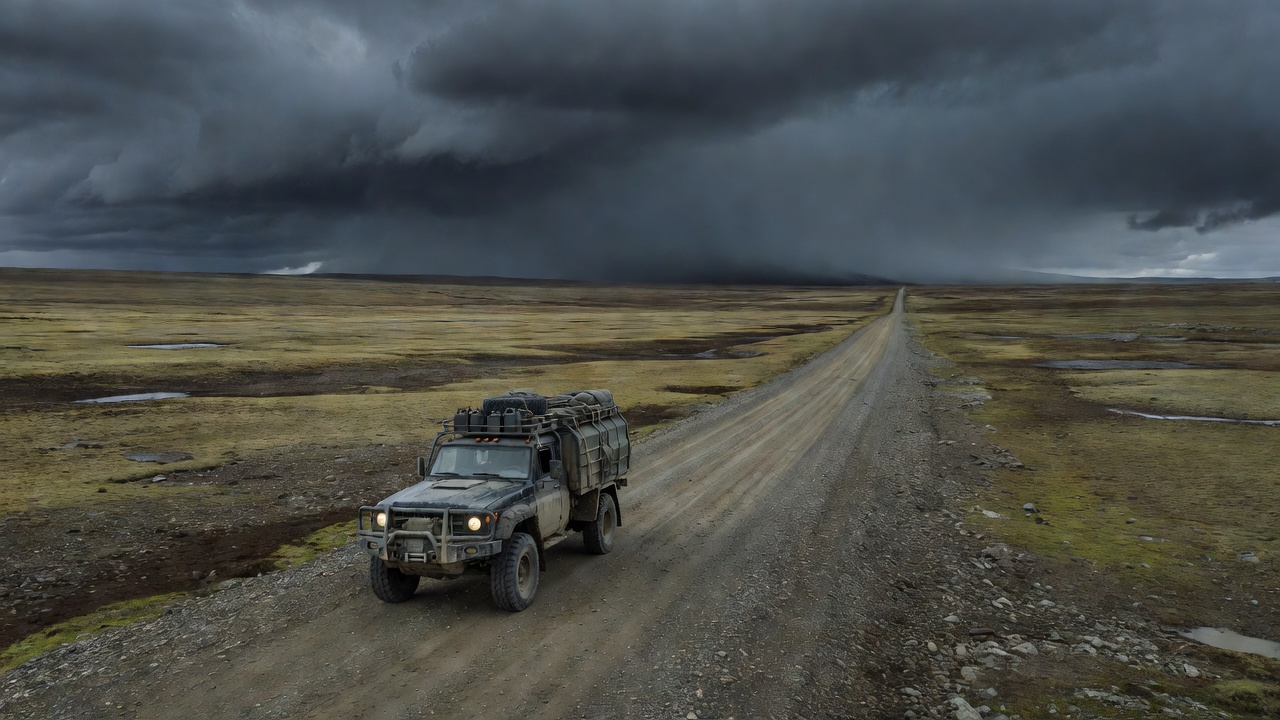
Map the service gaps
For each leg, note the distance to the next reliable fuel, drinking water, food, mechanical help and medical care. On Alaska's Dalton Highway, the stretch from Coldfoot to Deadhorse runs roughly 386 km with no services. On Canada's Dempster Highway, Eagle Plains sits roughly midway as the main fuel and lodging stop. On Western Australia's Canning Stock Route, about 1,850 km long, fuel is available at Kunawarritji near Well 33, and many travellers also arrange fuel drops in advance. In Iceland, F-roads open only in summer, are legally restricted to 4x4 vehicles and can include unbridged river crossings.
Local information changes. Confirm fuel availability, road status and permit rules with park authorities, community offices and recent traveller reports, such as those on iOverlander, before you commit.
- 1
Fuel range
Measure consumption fully loaded on rough roads, not on the motorway. Plan to arrive with at least 25–30% reserve.
- 2
Water
Allow at least 5 litres per person per day for drinking in heat, plus cooking and washing, and a reserve for breakdown days.
- 3
Food
Carry several days beyond the plan. Breakdowns and closed roads add time, never subtract it.
- 4
Help
Know who will respond to an emergency call on each leg, and how long they may take to reach you.
Recovery: rated, trained, controlled
Recovery equipment stores enormous energy. A failed tow ball or unrated shackle can become a projectile. Use rated recovery points bolted to the chassis, kinetic ropes or snatch straps rated for your vehicle's loaded mass, and soft shackles or rated steel shackles. Never recover from a tow ball.
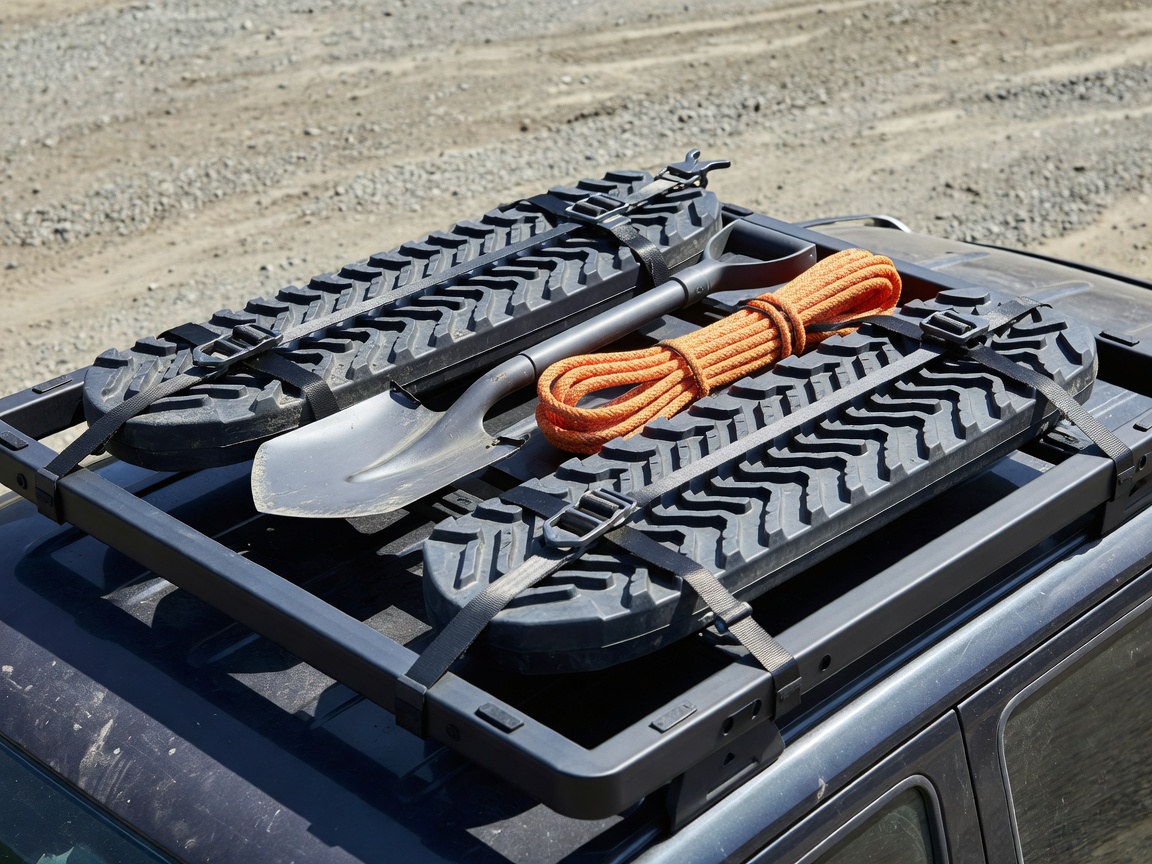
Traction boards and a long-handled shovel solve most bogged situations without any stored energy at all. Start there. A recognised off-road driving and recovery course is worth more than an extra winch.
Spares and tools you can actually use
Carry parts for failures that are likely and that you can fix at the roadside. A spare you cannot fit is just weight. Practise each repair at home with the tools you will carry.
| Category | Typical items | Why |
|---|---|---|
| Filters | Fuel, air, oil | Poor fuel and dust shorten service intervals |
| Belts & hoses | Drive belt, radiator and heater hoses, clamps | Heat and vibration failures |
| Tyres | Plug kit, compressor, gauge; two spares on very remote routes | Punctures are the most common breakdown |
| Electrical | Fuses, relays, crimp terminals, wire, multimeter | Corrugations shake connections loose |
| Fluids | Engine oil, coolant, brake fluid | Top-ups and minor leaks |
Communication and paperwork
Mobile coverage ends quickly in remote areas. A two-way satellite messenger such as a Garmin inReach lets you send and receive messages and trigger an SOS. A personal locator beacon (PLB) is a dedicated distress device registered to you. Satellite internet systems such as Starlink help with planning but depend on power and should not be your only emergency link.
Leave a written trip plan with someone at home, including route, check-in times and what to do if you miss one. Across borders, check whether you need a Carnet de Passages en Douane, issued through national motoring organisations in the FIA and AIT network, an International Driving Permit and local insurance. Some links simply do not exist by road: there is no road through the Darién Gap, so vehicles are shipped between Panama and Colombia.
Route preparation sequence
- List legs. Distance and expected days for each.
- Mark resupply. Fuel, water, food, parts, medical.
- Calculate margins. Fuel reserve, water reserve, spare days.
- Check rules. Permits, seasonal closures, border documents.
- Prepare comms. Satellite device, PLB registration, trip plan.
- Service the vehicle. Full service before departure, not halfway.
- Shakedown. A loaded test trip within reach of help.
Maintenance disclosure
Remote routes accelerate wear. Inspect tyres, suspension bushes, steering joints and underbody fixings daily on rough tracks. Clean air filters more often in dust. Log every check in a notebook so patterns show before parts fail.
Further reading
Tom Sheppard's Vehicle-dependent Expedition Guide and Chris Scott's Sahara Overland remain thorough references on remote travel discipline. For questions about your own setup, use our workshop request form.